
Bira, Selayar and the Flores Sea: Fitting Yard Work to the Cruising Calendar
How to place haul-outs and refits in the annual cycle of a vessel working eastern Indonesia, so yard time falls where it costs the least in lost operating days.
Bira Shipyard Build Desk
Working notes from the Bira Shipyard Build Desk. Five running threads: how the foreshore yard operates, how timber hulls are actually built and repaired, what a refit does to a vessel’s systems, the decisions owners have to make, and the coast itself.
How to place haul-outs and refits in the annual cycle of a vessel working eastern Indonesia, so yard time falls where it costs the least in lost operating days.

Practical logistics for bringing a vessel to the Bira foreshore for yard work: approach considerations, anchoring, crew arrangements, parts and access from Makassar.

How the working beaches at Bira and Tanjung Bira are organised, why timber craft persists here as a living trade, and what that means for owners bringing work to the coast.

What owners typically need to establish about class, registration and documentation for a timber vessel operating in Indonesian waters, and how yard work interacts with it.

How an owner thousands of miles away keeps real control of a timber vessel under construction: inspectable milestones, fixed-position photography, material acceptance and staged payment.

How refit budgets are really consumed — access and reinstatement, discovery, materials lead time and rework — and how to build a contingency that survives contact with an opened hull.
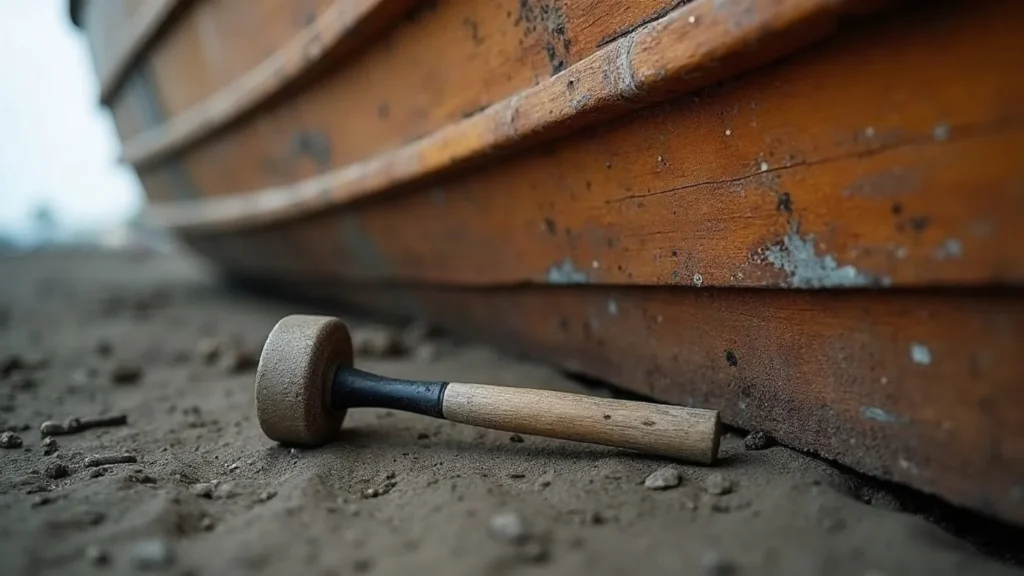
The inspection scope a buyer should insist on before purchasing a traditional timber vessel: access, sounding, fastening samples, structural priorities and what the report must say.
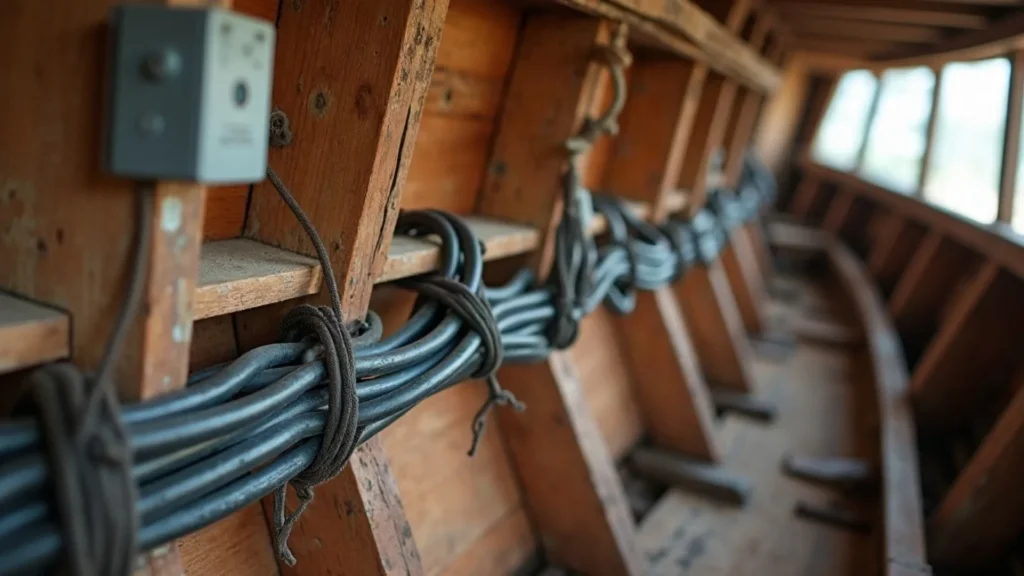
How to approach a rewire on an older timber hull: calculating loads before selecting equipment, isolation practice, bonding, and routing that survives a wet vessel.
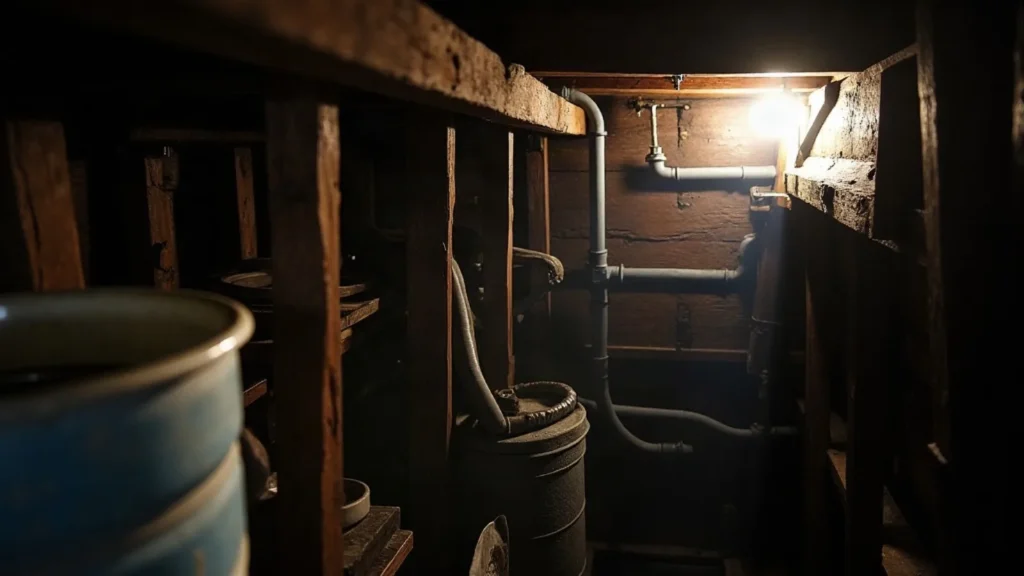
Tank material and placement, plumbing runs, grey and black water handling, and why fresh water is more dangerous to a timber hull than the sea it floats in.
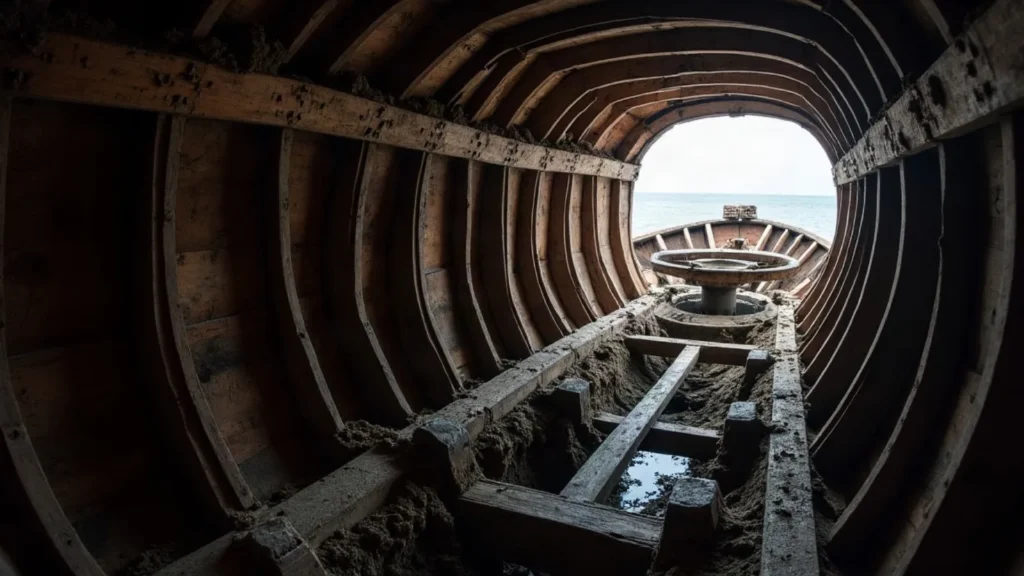
Why shaft alignment behaves differently in a timber hull, what engine removal exposes, and how alignment should be checked before and after relaunch.